Training Hard After 40: How Smart Men Stay Strong Without Wrecking Their Bodies
Alright, let me say the quiet part out loud.
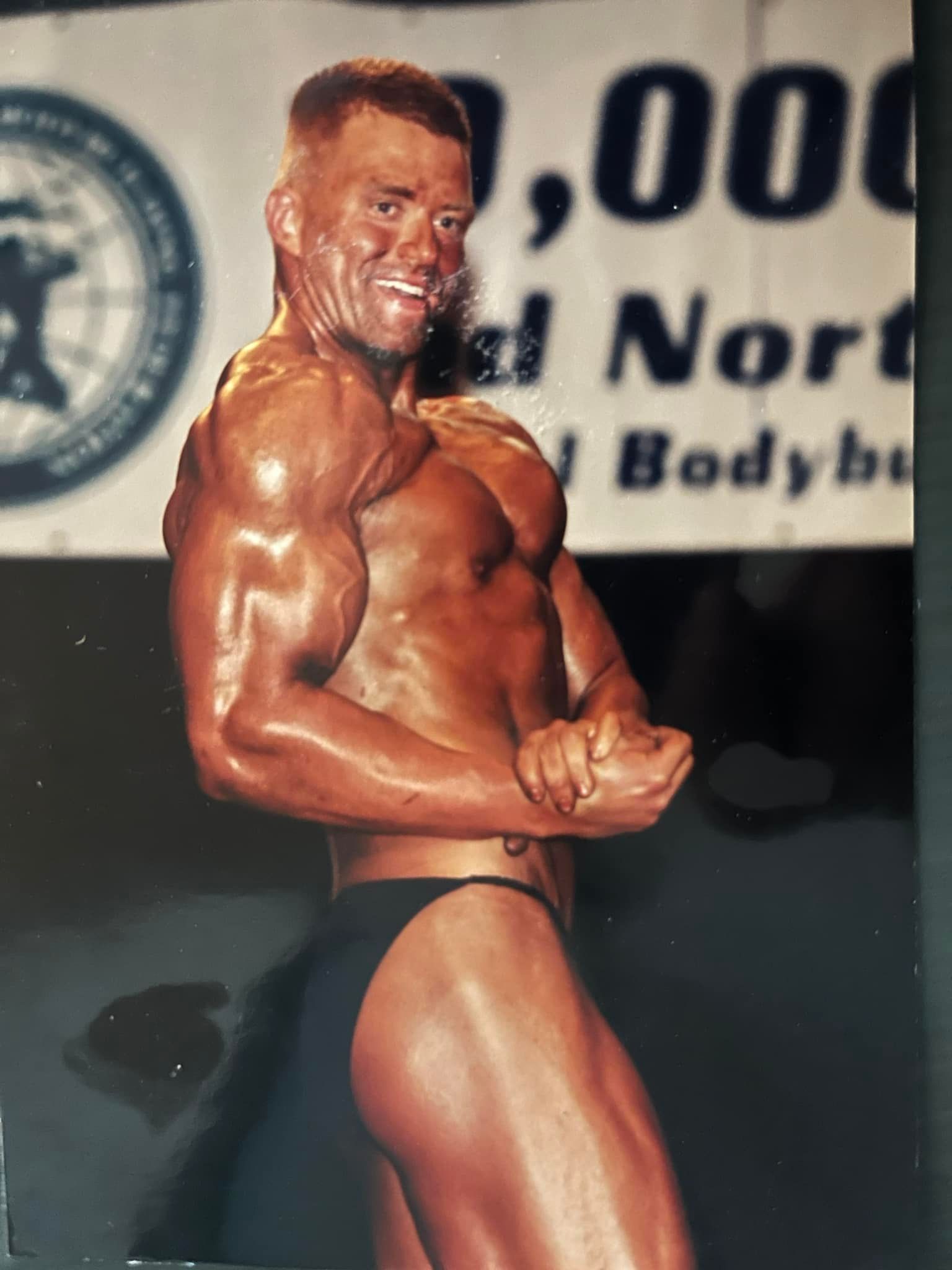
Back in my meathead days, I was a bodybuilder in my 20s.
Single. No kids. No real responsibilities.
All I had to think about was myself—and my body could take a beating.
I trained hard six days a week, crushed marathon workouts, and bounced back like nothing happened. Recovery was fast. Energy was unlimited. Life was simple.
That was then.
This is now.
Fast forward to 53.
I still train hard—but I train very differently.
These days I’m running a business, raising kids, managing a household, and carrying real-world stress that doesn’t magically disappear when you walk into the gym. That stress drains energy before you ever touch a weight.
And let’s be honest—
Your body doesn’t recover the way it did in your “meathead” years.
If you’re a middle-aged guy trying to train like you’re 25, you already know how this ends:
joint pain, nagging injuries, stalled weight loss, low energy, and frustration.
That’s why men over 40—especially busy men in Lakeville, Burnsville, Prior Lake, Farmington, Apple Valley, Elko New Market, and Savage—need a smarter approach to fitness.
This isn’t about slowing down.
It’s about evolving.
The Biggest Mistake Men Over 40 Make in the Gym
Most guys think the answer is to train harder.
More days.
More volume.
More punishment.
But at this stage of life, that approach backfires.
As hormones shift during menopause (or “menpause,” as many of us call it), recovery slows down. Cortisol stays elevated longer. Sleep isn’t always perfect. Stress adds up.
Training like a reckless 20-year-old is a fast track to burnout.
So instead of training harder, I train smarter—and I get better results now than most guys half my age.
Here’s how.
1️⃣ Joint Health Comes First—Always
If your joints hurt, your training sucks. Period.
Middle-aged men don’t need more punishment—we need better movement.
That’s why any intelligent exercise program for men over 40 prioritizes:
- Mobility and flexibility
- Smart warm-ups
- Joint-friendly exercise selection
- Rotating movements every 4–6 weeks
This keeps your shoulders, hips, knees, and back healthy so you can keep lifting heavy without pain.
At my fitness gym, joint health isn’t optional—it’s foundational.
2️⃣ Shorter Workouts, No Ego Lifting
Those 2–3 hour gym marathons?
They crush anabolic hormones and send cortisol through the roof. That’s how you end up overtrained, flat, and wondering why your weight loss stalled even though you’re “doing everything right.”
Middle-aged men need efficient workouts:
- 45–60 minutes
- Focused strength training
- Minimal junk volume
- No ego lifts
Train with intent. Get in. Get out. Recover.
This is the difference between surviving workouts and actually progressing.
3️⃣ Less Training, Better Results
Here’s the truth most men ignore:
You don’t grow in the gym.
You grow on your rest days.
I lift 3–4 days per week—not six.
Why?
Because recovery is where muscle builds, fat loss happens, and hormones normalize.
A properly designed men’s fitness program accounts for recovery just as much as training. That’s how you stay strong, lean, and energized long-term.
This Isn’t About Quitting—It’s About Winning Smarter
If you’re a grown man with real responsibilities and you’re still training like a reckless kid, it’s time to level up.
This is what modern men’s fitness looks like:
- Intelligent programming
- Strategic recovery
- Sustainable strength
- Long-term health
Not punishment.
Not ego.
Not burnout.
Just results that make sense for where you are in life.
Coaching Middle-Aged Men Is Different—And It Should Be
As a personal trainer, I’ve seen it all:
men who are frustrated, exhausted, stuck, and wondering why the workouts that used to work… don’t anymore.
That’s why I’m building something specifically for men in their 40s, 50s, and beyond—men who still want to train hard, but are smart enough to train right.
This isn’t a generic health club program.
This is a precision-built system for real men with real lives.
Live Seminar: Training Smart for Men Over 40
I’ll be rolling this program out with a LIVE SEMINAR at my gym on February 28th.
If you’re in Lakeville, Burnsville, Prior Lake, Farmington, Apple Valley, Elko New Market, or Savage, this is for you.
We’ll cover:
- How to train hard without destroying your joints
- How to optimize recovery during menpause
- How to structure workouts for strength and weight loss
- How to stay consistent without burnout
It’s going to be practical, powerful, and eye-opening.
Ready to Train Smarter—Starting Now?
If you’re done beating yourself up with outdated workouts…
If you want a fitness approach that actually fits your life…
If you’re ready for real results without wrecking your body…
👉 Hit the blue button below and let’s talk.
No fluff.
No ego.
Just smart training, real coaching, and results that last.
Stay strong—for decades, not just Instagram. 💪