2026 Fitness Goals: Why Most People Quit—and How You Won’t
April Marquez • January 6, 2026
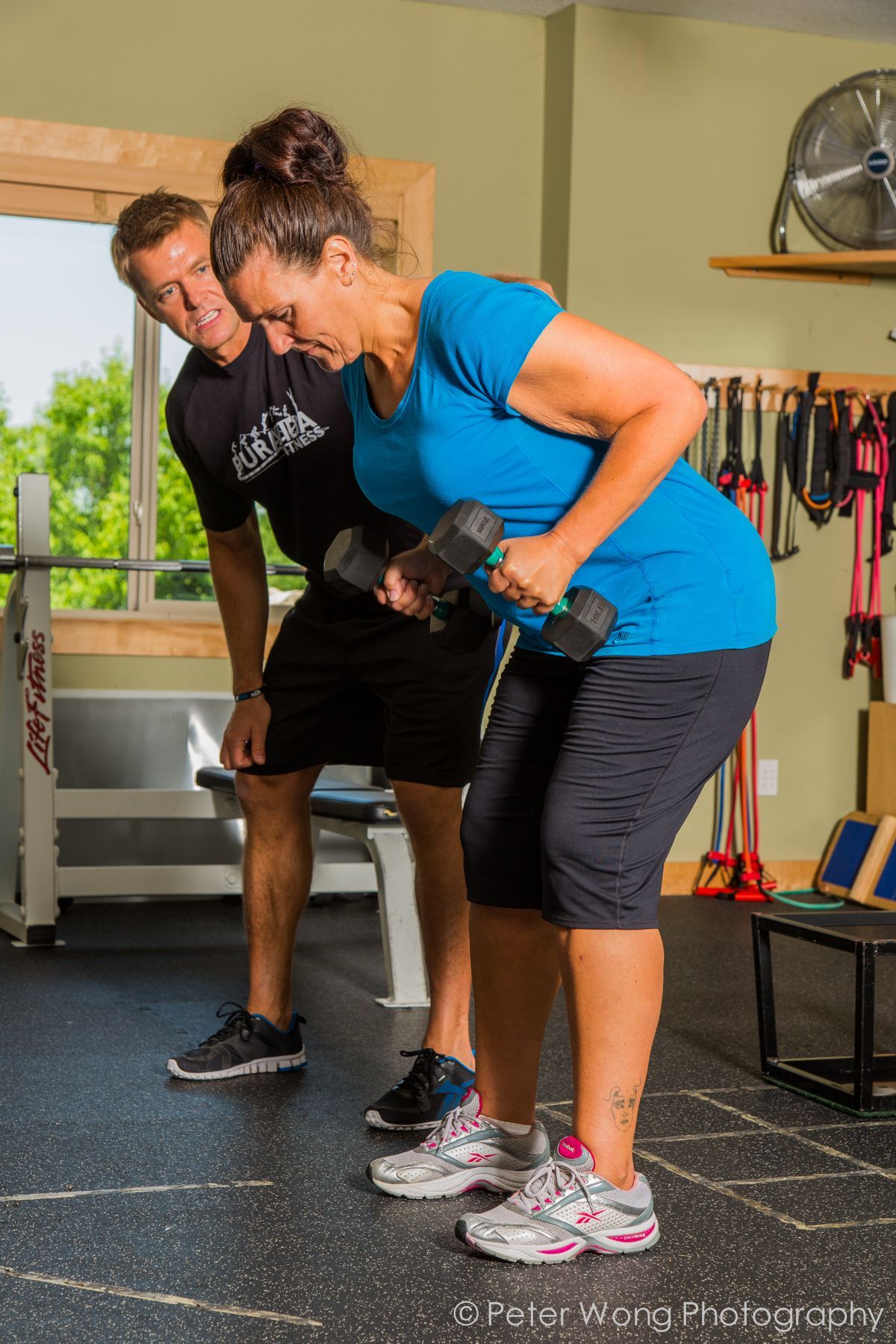
Woman in blue shirt lifts dumbbells, guided by trainer in gym.

Here we are at the start of a new year—and whether you want to admit it or not, there are things in your life you want to be better in 2026.


Let’s not call them resolutions.

Let’s call them goals.


One of my core values as a Lakeville personal trainer is Kaizen—a Japanese word that means constant, steady improvement. Real progress doesn’t come from extremes; it comes from consistent, intentional actions over time. And those actions should apply to all areas of life, not just the convenient ones.


When it comes to fitness, the number one goal I hear from clients across Lakeville, Farmington, Burnsville, Prior Lake, Savage, and Apple Valley is simple:

“I want to lose weight and get into better shape.”


It’s a great goal—but here’s the hard truth.

Nearly 80% of people quit by February.


After 30 years of fitness coaching and working inside health clubs and private training studios, I can tell you exactly why.


Three vital pieces are missing.


1. A Strong Purpose — Your WHY

Most people stop at surface-level thinking:

  • “I should get in shape.”
  • “I should exercise more.”


That’s not a WHY.

That’s guilt.


Your WHY has to run deeper. It has to matter when motivation disappears.

Ask yourself:

  • How will better fitness improve your daily life?
  • Will you have more energy?
  • More confidence?
  • More years—and better years—with your family?


Years ago, I trained a woman who sat in the ski chalet every winter while her family skied without her. She wasn’t just missing workouts—she was missing memories. That became her WHY.


Because it mattered, she stayed consistent with her exercise and wellness plan. The following year, she skied with her family. That’s real weight loss success—not from hype or motivation, but from a clear, powerful purpose.


2. A SMART Goal (Not a Vague Wish)

“Getting in shape” isn’t a goal…it’s a dream.


A real fitness goal follows the SMART framework:


  • Specific – What does “in shape” mean? A target weight? Running a 5K? Improving strength?
  • Measurable – How will you track progress objectively?
  • Attainable – Be honest. Challenging is good. Unrealistic is not.
  • Relevant – Does this goal improve your overall health and lifestyle, or does it take away from what matters most?
  • Time-bound – Deadlines create urgency. A trip, race, or event gives your training purpose.


Every time I’ve seen clients commit to a real deadline, effort goes up—and excuses disappear.


3. A Real Action Plan (Not Guesswork)

Most people join a gym, wander around aimlessly, and hope exercise alone will fix everything.


Nutrition becomes reactive:

  • Cut all carbs
  • Try the latest diet
  • Start over… again


Ask yourself:

  • Is this plan realistic?
  • Can I maintain it long-term?
  • Will it still work after I reach my goal?


The truth is, most people don’t have the time, energy, or experience to build a sustainable plan on their own. That’s why progress disappears the moment they stop “trying.”


This is where professional fitness coaching, personalized exercise programming, and long-term wellness strategies make all the difference.


Make 2026 Different

If you’re serious about improving your health, weight loss, and overall fitness in 2026, these three pieces are non-negotiable:

  • A clear WHY
  • A SMART goal
  • A sustainable action plan


Without them, it’s just another year with the same results.

With them?


Your chances of success increase by over 80%.


If you’re ready to stop starting over and want expert guidance from a Lakeville personal trainer serving Farmington, Burnsville, Prior Lake, Savage, and Apple Valley, now is the time to build something that lasts.


Your goals deserve more than good intentions.


They deserve a plan.
September 29, 2026
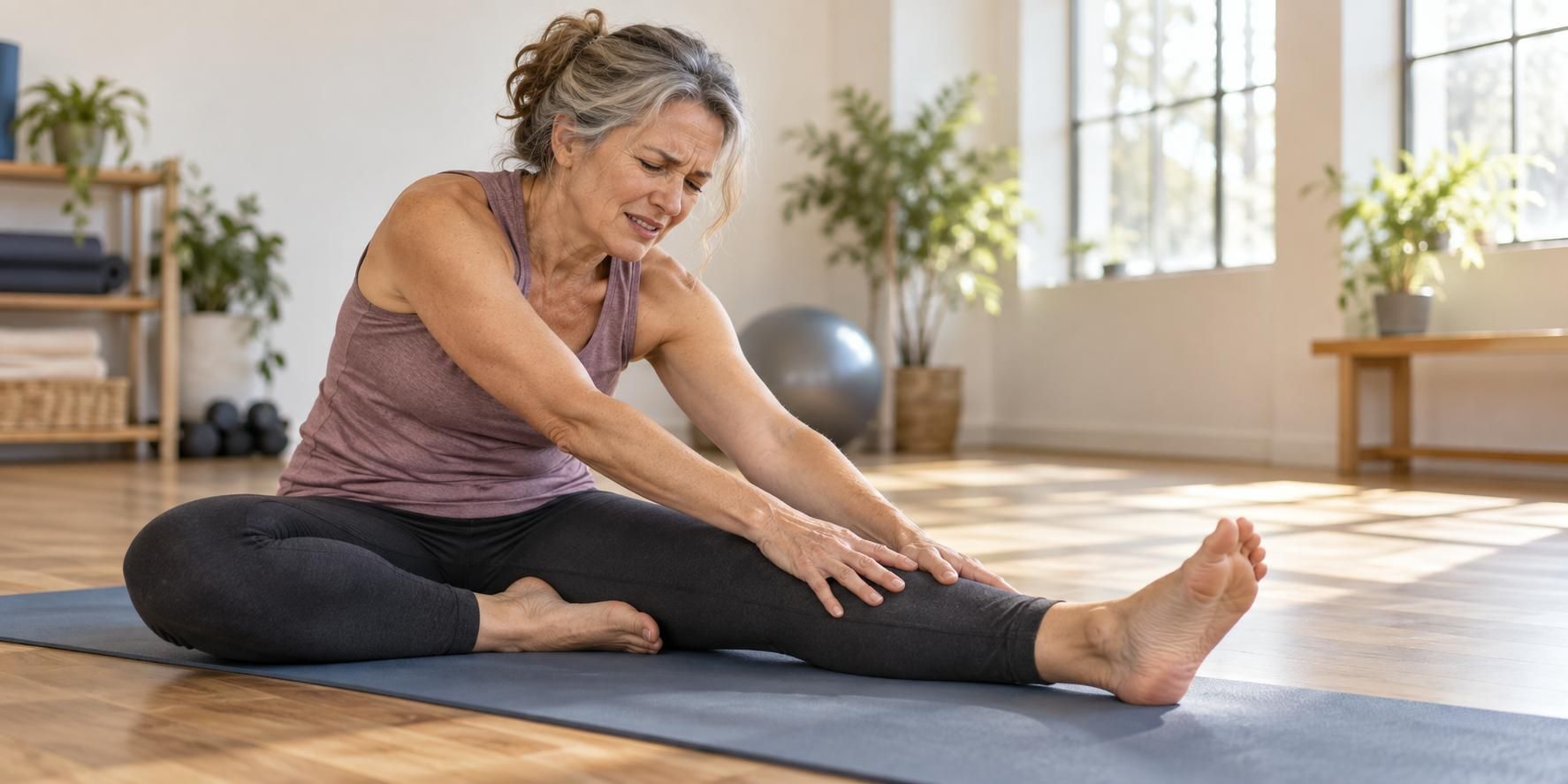
Back at my old job, I used to take yoga classes. One instructor said something that stuck with me: despite years of yoga, he could never seem to make his hamstrings more flexible. At the time, that sounded strange. Like most people, I had been taught that if a muscle feels tight, the answer is to stretch it more. But what if there is more to flexibility than stretching? The training that changed how I coach In 2010, I was introduced to Z-Health, a brain-based approach to movement. Some of the drills looked almost too simple, yet I saw people move better after doing them. I enrolled in two certification courses, and what I learned changed how I program workouts and help clients. The idea that stayed with me was that movement depends on communication between the brain and the body. When a joint feels uncomfortable or a movement feels threatening, people may tense up or guard that area. Repeating a stretch alone may not address what is limiting the movement. Today, I look beyond the spot that feels tight. I pay attention to how the joints move, how a client responds to a drill, and whether that drill helps them feel and move better. What works for one person may not work for another. Here are four lessons I use in my coaching: A tight muscle may be doing more than resisting a stretch. Discomfort or a sense of instability can change how a person moves and recruits muscles. Joint movement matters. Improving how a joint moves can sometimes make an exercise feel stronger or more comfortable. The nervous system is part of flexibility. How safe and controlled a movement feels may affect how much range of motion a person can use. Test, then retest. We try an appropriate drill, check how the movement feels afterward, and adjust the plan based on the response. Stretching can still be useful. I simply don’t assume it is the only answer every time someone feels stiff. What this looks like in a session Just today, I worked with a woman who came in dealing with a significant low back issue. We used gentle movement drills rather than stretching her back. By the end of the session, her range of motion had improved, and she said she felt and moved better than when she arrived. That is one person’s experience, not a promise that the same drills will resolve every back problem. It is a reminder of why I assess each client and pay attention to their response instead of handing everyone the same flexibility routine. The transformation closest to my heart My dad showed me what better movement can mean outside the gym. At 80, he had back surgery and became so weak afterward that he needed a walker. Hunting was one of his passions, and it looked as though he might lose the independence to do it. We worked on rebuilding his movement and strength using the principles I had learned. That October, he was walking with a walker. By April, he was hiking in the Black Hills, where he shot a wild turkey and even crawled under a fence to retrieve it. You can watch my dad’s story here . Mobility is about living your life At Puravida Fitness, our tagline is “Transforming Bodies and Lives.” Sometimes that means losing weight or building muscle. Sometimes it means having the strength, flexibility, and mobility to keep doing the things you love. Those are some of my favorite transformations. Helping someone move with more confidence, regain independence, or return to a favorite activity is about quality of life and longevity. To me, that is priceless. If you’re looking for a personal trainer who considers the whole person, we’d love to help. Puravida Fitness is a gym and health club in Lakeville focused on fitness and wellness for real life. We work with people from Farmington, Prior Lake, Burnsville, Apple Valley, Savage, New Market, and Elko. Learn more about Puravida Fitness .
Sumo wrestler eating rice beside a huge plated meal in a Japanese-style room
September 8, 2026
Struggling with weight loss after 40? Learn why skipping meals and overeating at night can work against your goals. Get practical nutrition advice from a Lakeville personal trainer serving Burnsville, Apple Valley, Savage, Farmington, Prior Lake, New Market and Elko.
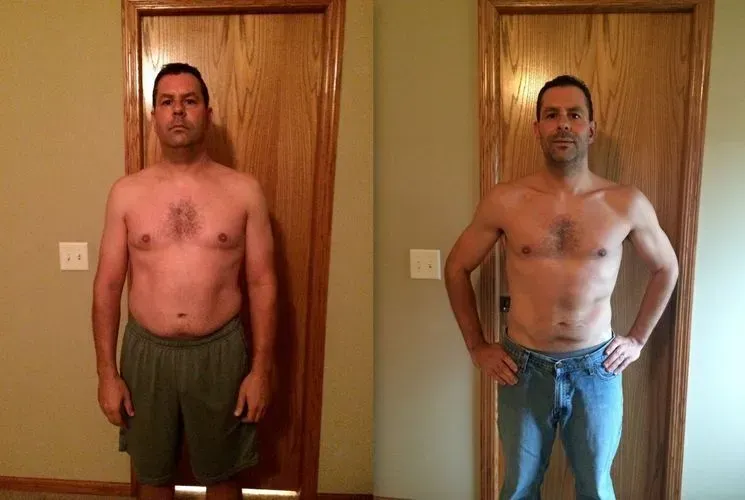
Side-by-side before-and-after photo of a man standing indoors, shirtless in the first and leaner in the second.
August 10, 2026
Throughout August, we’re covering the top reasons many middle-aged adults struggle with unwanted weight gain.